
Turning an idea into a successful product is one of the most exciting yet challenging journeys for any startup. In today’s competitive digital world, having a great idea is just the beginning—execution, strategy, and continuous improvement are what truly make the difference.
Every successful product starts with a clear and validated idea. Before investing time and money, it’s important to define:
Validating your idea through market research, surveys, and feedback helps ensure that there is real demand for your product.
Once your idea is clear, the next step is understanding your market. Analyze competitors, identify gaps, and study customer behavior. A strong business plan should include:
This phase sets the foundation for building a product that stands out.
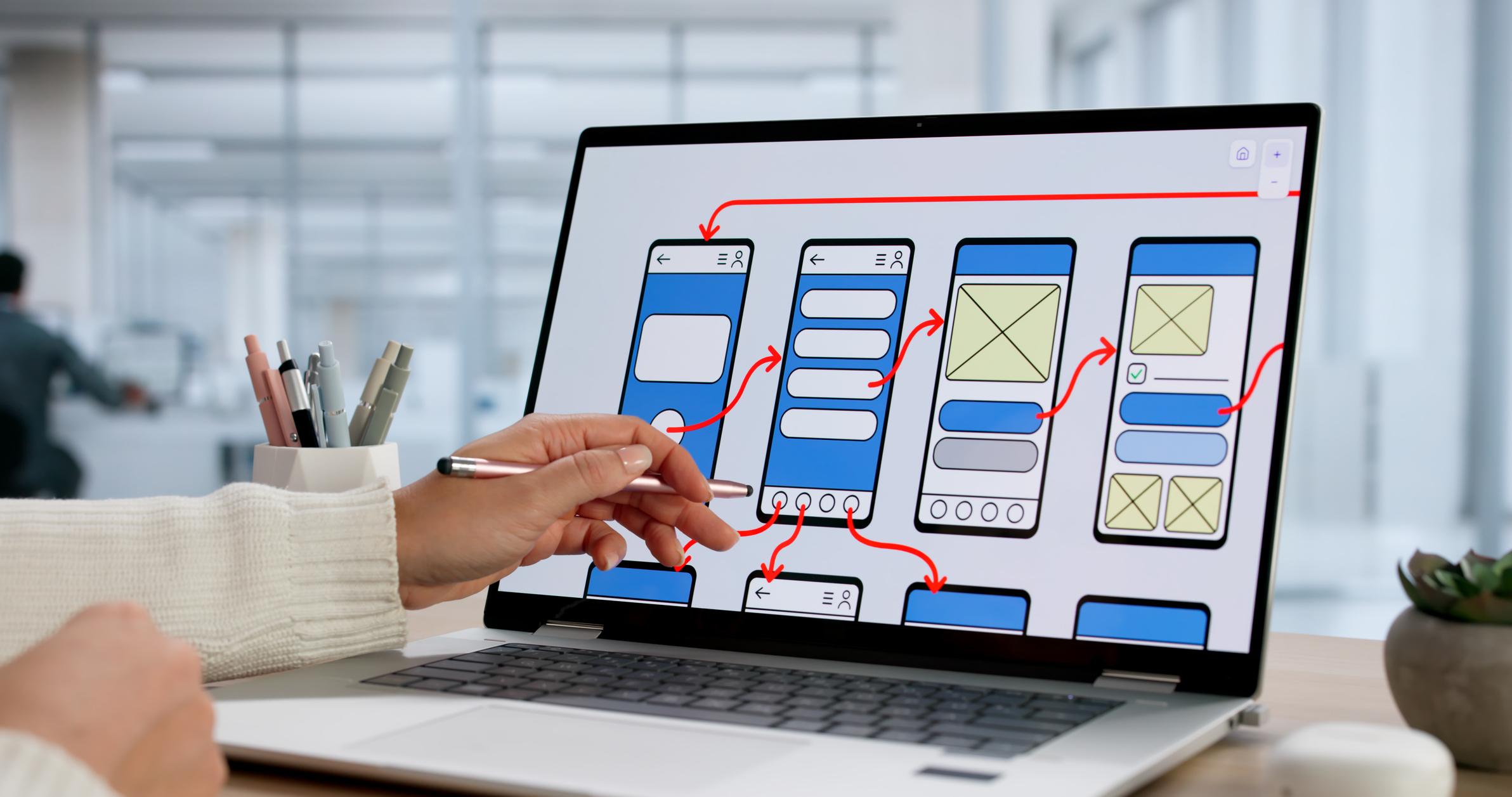
User experience plays a crucial role in product success. A clean, intuitive, and user-friendly design can significantly improve engagement. Focus on:
A well-designed product not only attracts users but also keeps them coming back.
Instead of launching a full-featured product, startups should begin with a Minimum Viable Product (MVP). An MVP includes only the core features needed to solve the main problem. This approach helps:
Based on feedback, the product can be improved and scaled gradually.
Selecting the right technology stack is essential for scalability and performance. Depending on your product, you may need:
Working with experienced developers ensures that your product is built efficiently and securely.
Before launching, thorough testing is critical. Identify bugs, improve performance, and ensure the product works seamlessly across devices. Testing includes:
A well-tested product builds trust and credibility among users.
A successful launch requires a clear marketing strategy. Use channels like:
Creating buzz before launch can help attract early users and generate momentum.
Launching is just the beginning. Successful startups continuously improve their products based on user feedback and analytics. Focus on:
Scalability is key to long-term growth.
Building a startup from idea to product requires careful planning, execution, and adaptability. By validating your idea, focusing on user experience, and continuously improving, you can turn your vision into a successful digital product. With the right strategy and technology, your startup can stand out and thrive in today’s competitive market.